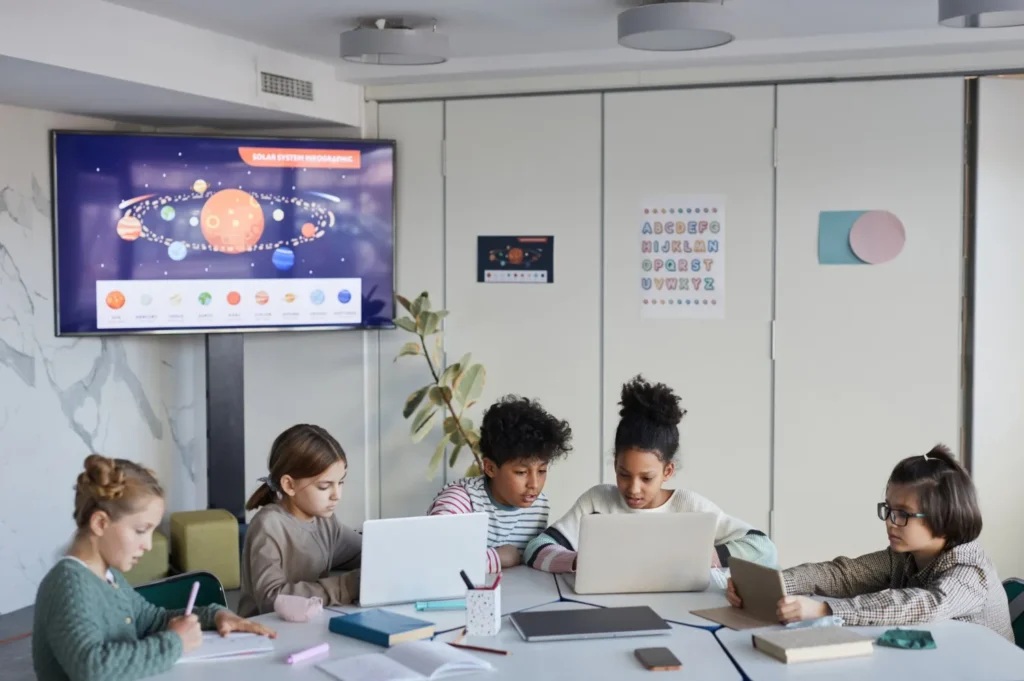
An innovative classroom is one that’s constantly evolving and adapting to the needs of its students. It’s a space where creativity and critical thinking are encouraged and where students are empowered to take ownership of their own learning.
Several key characteristics define an innovative classroom. Let’s look at each of these characteristics and how they individually contribute to an innovative classroom, plus the benefits for both students and teachers.
Flexibility is a crucial characteristic of an innovative classroom. This means that the classroom is designed to be adaptable to the needs of different students, and that the teacher is open to changing their approach when necessary. This might involve using various teaching methods, including:
Students have different learning styles, so these different learning styles can cater to the needs of individual students better. An innovative classroom is often equipped with technology that allows for easy adjustments to the learning environment, such as interactive whiteboards and tablets.
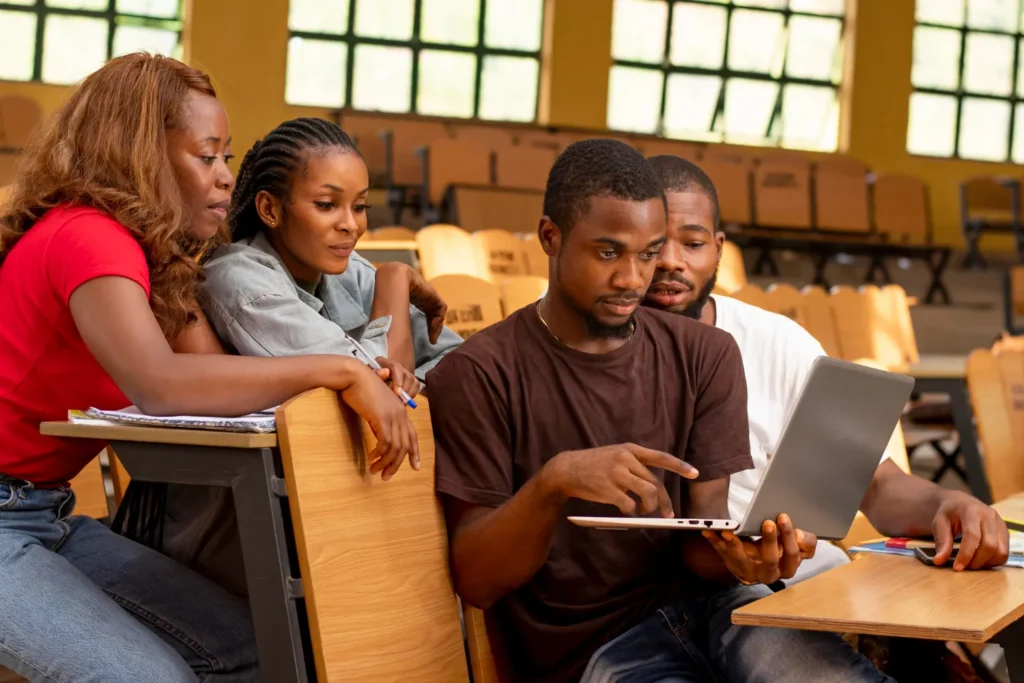
Collaboration is another important characteristic of an innovative classroom. Students are encouraged to work together, share ideas, and support each other in their learning. When students collaborate, it helps the classroom lessons to sticks, since students will be learning from both the instructor and their peers. Collaboration can take many forms, such as group projects, peer tutoring, and group discussions.
Teachers in an innovative classroom also often collaborate with each other as well, sharing best practices and working together to create engaging and effective learning experiences for their students.
A focus on student-centred learning is also an essential characteristic of an innovative classroom. This means that students are at the centre of the learning process, and that their needs and interests are taken into account when planning and delivering instruction. In a student-centred classroom, the teacher acts as a facilitator, guiding students through the learning process and helping them to make connections and apply their knowledge to real-world situations. Students are given the opportunity to take ownership of their own learning, setting goals and tracking their progress.
An innovative classroom encourages teachers to experiment and take risks in order to teach students as well as possible. This might involve experimenting with new teaching methods or technologies to tackle a difficult problem. It could also involve assigning challenging projects that force students out of their comfort zones, to help lessons turn from lectures to true understanding.
Teachers in an innovative classroom also encourage their students to take risks, helping them to develop resilience and a growth mindset. They are less concerned with getting every answer correct and are more concerned with teaching students to apply their knowledge confidently.
This is an environment where both teachers and students are not afraid to try new things and are willing to take risks in order to achieve their goals.
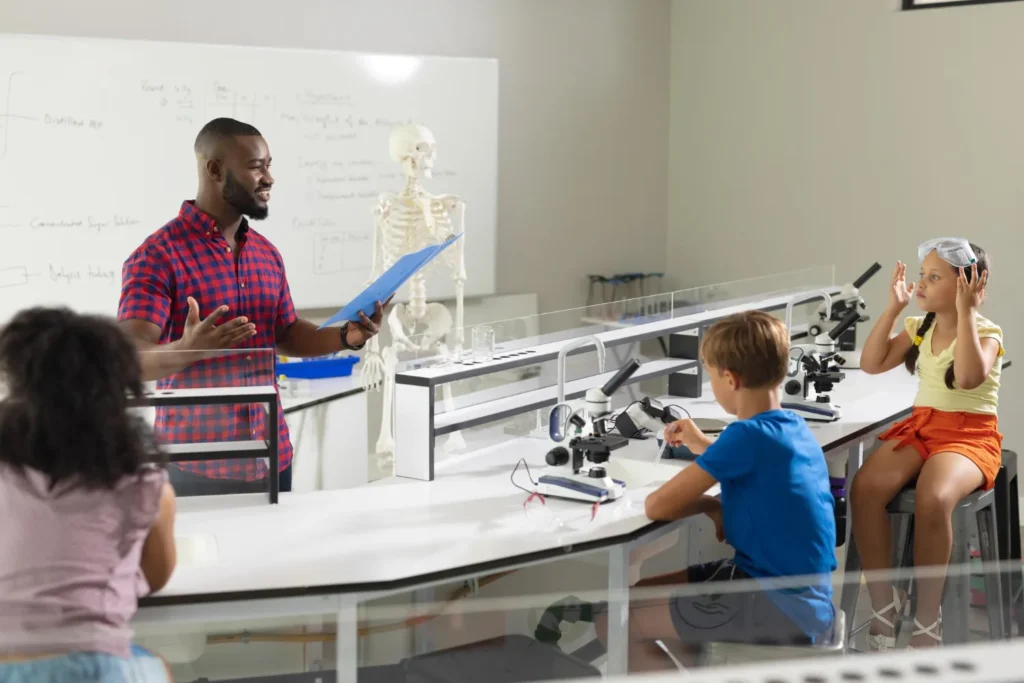
Another important characteristic of an innovative classroom is that it fosters creativity and critical thinking. Teachers in an innovative classroom encourage their students to think outside the box and approach problems and tasks in new ways.
Assignments are set up to allow students to come up with their own solutions that lead to the desired result. They often incorporate real-world problems and challenges into the curriculum, helping students to develop their critical thinking skills and apply their knowledge to real-world situations. This aids in the transitions from studying to working.
Innovative classrooms are inclusive and respectful of all students. Teachers in an innovative classroom are committed to providing a safe and welcoming environment for all students. They work hard to create a curriculum that considers the diverse backgrounds and experiences of their students.
Teachers also make a point of building positive relationships with their students. This helps to create an atmosphere of mutual respect and trust, where students and teachers listen to each other and work together towards a better education.
Inclusive environments are especially helpful for students with special needs. Instead of being left behind or punished when they have difficulties with traditional teaching methods, these students are able to thrive as their needs are accommodated in teaching plans and classroom environments.
An innovative classroom is a dynamic and ever-changing space where creativity, critical thinking, and student-centred learning are encouraged. It’s a place where students are empowered to take ownership of their own learning and where teachers act as facilitators, guiding students through the learning process and helping them to make connections and apply their knowledge to real-world situations. Studies show that students who learn in innovative classrooms often come out with a better understanding of how to apply their knowledge. They can more easily advance to higher education, and they are better prepared for diverse working environments.